Ginger Hotfoot: India’s Beloved Folk Game of Agility & Camaraderie
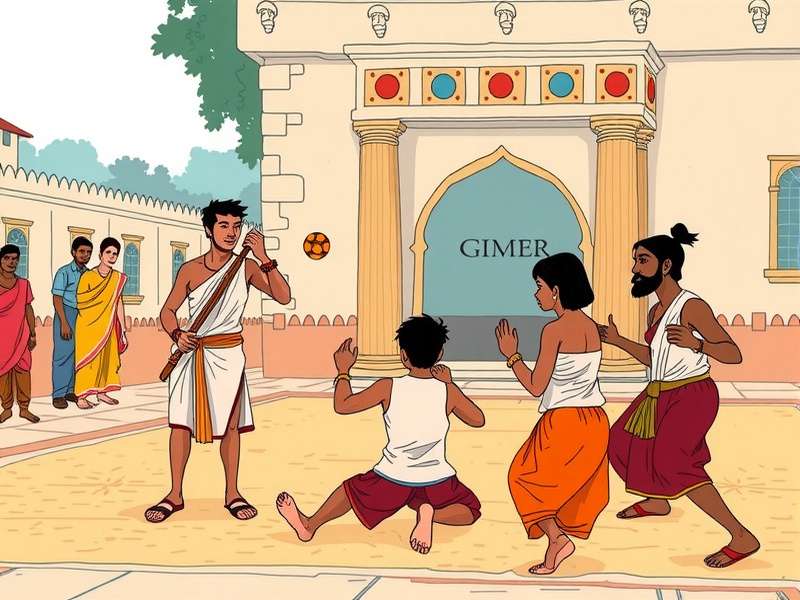
Walk into any village fair in India—be it a Baisakhi mela in Punjab, a Pongal celebration in Tamil Nadu, or a Durga Puja pandal in West Bengal—and you’re likely to spot a group of kids (and even adults!) huddled in a circle, laughing, shouting, and darting around with unmatched energy. Chances are, they’re playing Ginger Hotfoot—a traditional folk game that has been passed down through generations, weaving its way into the fabric of Indian culture. More than just a pastime, Ginger Hotfoot is a celebration of teamwork, quick reflexes, and the simple joys of desi life.
Rooted in rural India, Ginger Hotfoot requires no fancy equipment, no expensive gear, and no complex setup. All you need is a fresh ginger root, a flat open space, and a group of people ready to have fun. The game’s simplicity is part of its charm—kids as young as 5 can play, and adults often join in to relive their childhood memories. What makes Ginger Hotfoot truly special, though, is its ability to bring people together. In a world where digital devices often keep us apart, this folk game encourages face-to-face interaction, friendly competition, and a sense of community that’s hard to find elsewhere.
At its core, Ginger Hotfoot is a game of strategy and agility. One player acts as the “Hotfoot Guardian,” tasked with protecting a ginger root placed in the center of a circle. The rest are “Ginger Seekers,” whose goal is to sneak into the circle, grab the ginger, and escape without being tagged. It’s a game that tests your ability to think on your feet, work with others, and stay one step ahead of the guardian. And while the rules are simple, the excitement is palpable—there’s nothing quite like the thrill of darting into the circle, grabbing the ginger, and running back to safety as the guardian chases you!
Over the years, Ginger Hotfoot has evolved to suit different regions and cultures across India. From the colorful rangoli-marked circles of Punjab to the flower-petal boundaries of Tamil Nadu, each state has put its own unique twist on the game. Today, thanks to initiatives by organizations like Daman Games, Ginger Hotfoot is also finding a new audience in the digital world, with mobile apps and online tournaments making it accessible to players across the country (and beyond!). But no matter how it’s played—offline or online, in a village or a city—Ginger Hotfoot remains true to its roots: a game that brings people together, celebrates Indian culture, and reminds us of the joy of simple, uncomplicated fun.
History of Ginger Hotfoot: Tracing India’s Timeless Folk Game
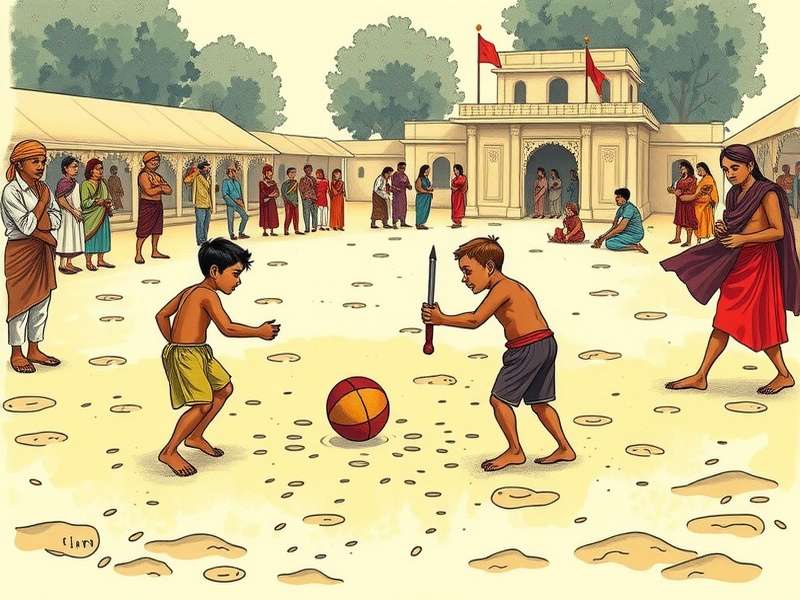
The origins of Ginger Hotfoot are deeply intertwined with the history of Indian folk culture, though exact records are scarce—after all, folk games are often passed down through oral tradition rather than written texts. What we do know is that Ginger Hotfoot has been played in rural India for centuries, with references to similar games found in ancient Sanskrit literature and folk tales.
One of the earliest mentions of a game resembling Ginger Hotfoot can be found in the “Panchatantra,” a collection of animal fables dating back to the 3rd century BCE. In one story, a group of monkeys play a game where they try to steal a piece of fruit from a lion’s den—mirroring the core objective of Ginger Hotfoot (grabbing a valuable item while avoiding a guardian). Similarly, ancient Tamil poetry from the Sangam period (300 BCE–300 CE) describes village children playing “veliyattam” (outdoor games) involving chasing and grabbing objects, which many historians believe is an early form of Ginger Hotfoot.
So why ginger? The choice of a ginger root as the “prize” in the game is no accident. Ginger has long held a special place in Indian culture—it’s used in cooking, medicine, and religious rituals. In rural India, ginger is a common crop, readily available in most households, making it the perfect object for a game. Additionally, ginger’s bright orange color and distinct shape make it easy to spot, even in a crowded circle. Over time, the ginger root became synonymous with the game, giving it the name we know today: Ginger Hotfoot.
During the medieval period, Ginger Hotfoot grew in popularity across India, especially in villages where entertainment options were limited. It was often played at festivals, weddings, and community gatherings, serving as a way to bring people together and celebrate. The Mughal emperors even reportedly enjoyed watching folk games like Ginger Hotfoot during their court gatherings, though they often played a more elaborate version with jewels or coins instead of ginger (a luxury that rural villagers couldn’t afford).
Colonial rule in India had little impact on Ginger Hotfoot, as it was primarily a rural game played by villagers who were largely untouched by British culture. If anything, the game became a symbol of resistance— a way for Indians to hold onto their traditions in the face of foreign occupation. After India gained independence in 1947, Ginger Hotfoot continued to thrive, with the government recognizing it as an important part of the country’s cultural heritage. In recent years, as urbanization has led to the decline of many folk games, Ginger Hotfoot has managed to survive—thanks in part to its simplicity and the efforts of cultural organizations to preserve it.
Today, Ginger Hotfoot is more than just a game—it’s a cultural artifact that tells the story of India’s rural past. It’s a reminder of a time when entertainment was simple, community was strong, and childhood was filled with outdoor adventures. And as we’ll explore later in this guide, it’s a game that’s adapting to the modern world while staying true to its roots.
Gameplay: How to Play Ginger Hotfoot (Desi Style!)
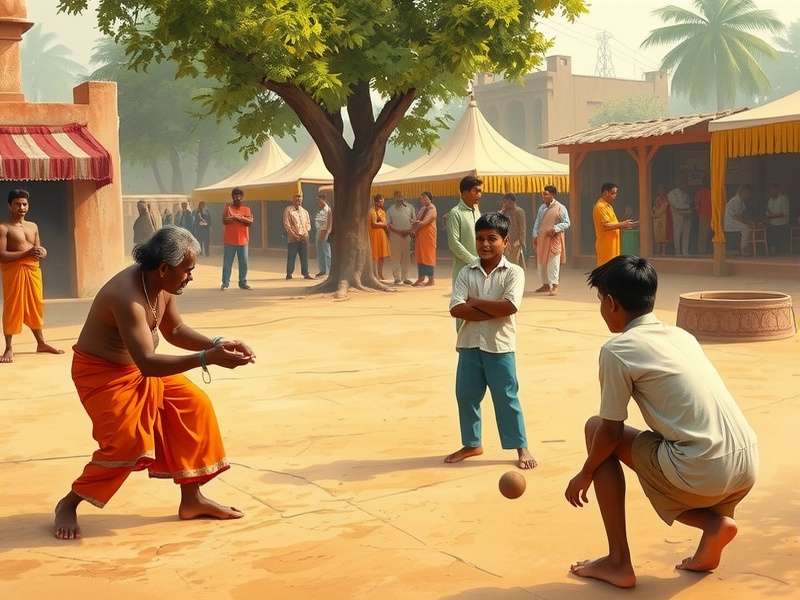
One of the best things about Ginger Hotfoot is its simplicity—you don’t need any special skills or equipment to play. Whether you’re at a village fair, a family picnic, or even a school playground, you can set up the game in minutes and start having fun. Below is a step-by-step guide to playing Ginger Hotfoot the traditional way, along with some tips to make the game even more exciting.
1. Gather Your Players & Equipment
Ginger Hotfoot is best played with 3 or more players—though the ideal number is 5-10 (the more players, the more chaotic and fun!). You’ll need:
- A fresh ginger root (medium-sized, so it’s easy to grab and see)
- Boundary markers (chalk, stones, flower petals, or even lines drawn in the dirt)
- Optional: Prizes for the winner (laddoos, jalebi, small toys, or bragging rights!)
Pro tip: If you don’t have a ginger root, you can use any small object—like a tennis ball, a wooden block, or even a packet of candies. But let’s be real—nothing beats the authentic feel of a ginger root!
2. Set Up the Game
First, find a flat, open space. This could be a village haat, a panchayat ground, a backyard, or even a school playground. Once you’ve found your spot, follow these steps:
• Choose one player to be the “Hotfoot Guardian.” This can be done by playing a quick game of “stone-paper-scissors,” by volunteering, or by having the oldest player take the role (desi tradition!). The Guardian’s job is to protect the ginger root.
• The Guardian gets 30 seconds to mark the boundaries of a circle. The circle should be about 10-15 feet in diameter—big enough for the Guardian to move around but small enough that they can keep an eye on the ginger. Use your boundary markers (chalk, stones, etc.) to draw the circle.
• Place the ginger root in the center of the circle. Make sure it’s visible and easy to grab—no hiding it under leaves or dirt (that’s cheating, bhai!).
• The remaining players are “Ginger Seekers.” They line up outside the circle, ready to make their move.
3. Start the Game!
Once everything is set up, the fun begins! Here’s how the game unfolds:
• The Guardian stands in the center of the circle, facing the Seekers. They shout “3, 2, 1, Go!” to start the game.
• The Seekers rush towards the circle, trying to sneak in and grab the ginger root. They can enter the circle from any direction, but they have to be quick— the Guardian is watching!
• The Guardian can move around inside the circle (but can’t step outside of it) to tag the Seekers. If a Seeker is tagged before grabbing the ginger, they’re out of the round and have to stand on the sidelines.
• If a Seeker manages to grab the ginger root, they have to run back outside the circle without being tagged. If they escape successfully, they win the round and become the next Hotfoot Guardian.
• If none of the Seekers can grab the ginger within 5 minutes, the Guardian wins the round and gets to keep their role for the next game.
4. Teamwork & Strategy
Ginger Hotfoot isn’t just about speed—it’s also about strategy. The Seekers can work together to distract the Guardian. For example, one Seeker might fake a charge to the left, drawing the Guardian’s attention, while another Seeker sneaks in from the right to grab the ginger. This teamwork is what makes the game so social and enjoyable—you’ll often hear Seekers shouting instructions to each other, laughing as they outsmart the Guardian.
The Guardian, on the other hand, has to stay alert and anticipate the Seekers’ moves. They can spin around to keep an eye on all directions, or focus on guarding the ginger root closely. Some Guardians even use fake moves to trick the Seekers—like pretending to tag one Seeker while actually going for another.
5. Win the Game
Ginger Hotfoot is usually played in multiple rounds (3-5 rounds, depending on how much time you have). The overall winner is the player who wins the most rounds—either by grabbing the ginger as a Seeker or by defending it as a Guardian. The winner gets the prize (if you have one) and the respect of the other players. But let’s be honest—even if you don’t win, you’ll have a blast playing!
Rules of Ginger Hotfoot: Fair Play & Desi Etiquette
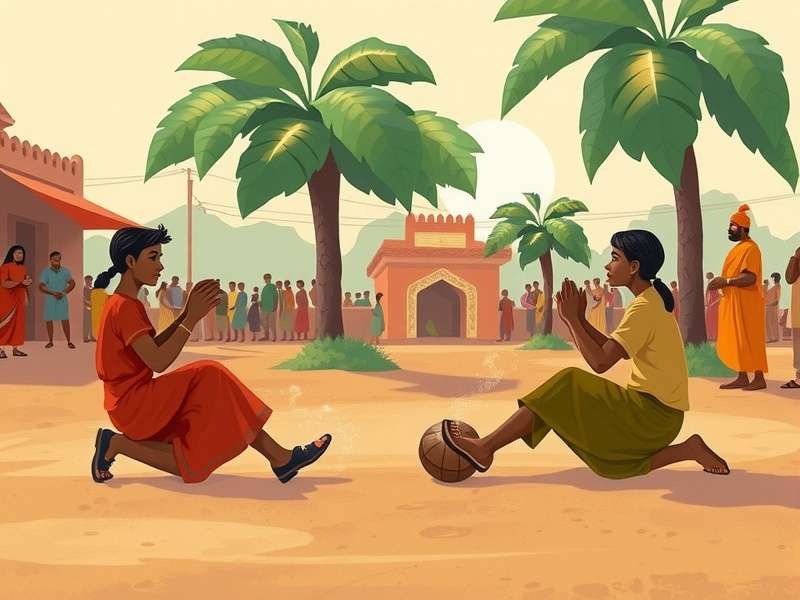
While Ginger Hotfoot is a fun, casual game, it does have some basic rules to ensure fair play and safety. These rules have been passed down through generations and vary slightly by region, but the core principles remain the same. Below are the standard rules of Ginger Hotfoot, along with some common variations and desi etiquette tips.
Core Rules (Applicable Everywhere)
• No Tagging Outside the Circle: The Hotfoot Guardian can only tag Ginger Seekers who are inside the circle. If a Seeker is outside the circle, the Guardian can’t touch them—so Seekers can take their time to plan their move before entering.
• No Holding the Ginger: The Guardian can’t hold onto the ginger root or hide it. Their job is to defend it by tagging Seekers, not by keeping it away. If the Guardian holds the ginger, the round is restarted.
• No Pushing or Shoving: Ginger Hotfoot is a friendly game—no pushing, shoving, or hitting allowed. If a Seeker pushes the Guardian (or vice versa), they’re automatically out of the round.
• Tagged = Out: If a Seeker is tagged by the Guardian while inside the circle (before grabbing the ginger), they’re out of the round. They have to stand on the sidelines until the next round starts.
• Escape = Win: If a Seeker grabs the ginger and escapes the circle without being tagged, they win the round. They become the next Guardian, and the game restarts.
• Time Limit: Each round has a 5-minute time limit. If no Seeker grabs the ginger within 5 minutes, the Guardian wins the round.
Regional Rule Variations
As we’ll explore in more detail later, Ginger Hotfoot has many regional variations, and some of these come with unique rules. Here are a few examples:
• Punjab (Adrak Ki Tez Chhalaang): The Guardian can take one step outside the circle to tag a Seeker. Also, the Seeker who grabs the ginger has to dance a quick bhangra step before escaping—if they forget, they’re out!
• Tamil Nadu (Inji Veliyattam): The Guardian can’t move from their spot in the center of the circle. They have to tag Seekers by extending their arms. This makes the game more challenging for the Guardian.
• Uttar Pradesh (Inji Ki Race): There are two ginger roots and two Guardians. Seekers are divided into two teams, and the first team to grab both ginger roots wins the round.
• Kerala (Inchi Koodu): The ginger root is hidden under a coconut shell. The Guardian knows which shell it’s under, and Seekers have to find it before being tagged.
Desi Etiquette Tips
Ginger Hotfoot is as much about etiquette as it is about rules. Here are some unwritten guidelines to follow to ensure everyone has a good time:
• Be a Good Sport: Win or lose, always congratulate the other players. No sore losers allowed—remember, it’s just a game!
• Help New Players: If someone hasn’t played Ginger Hotfoot before, explain the rules gently and help them get started. Don’t make fun of them if they make a mistake.
• Share the Fun: If there are more people than can play in one round, take turns. Everyone should get a chance to be a Guardian or a Seeker.
• Respect the Guardian: Don’t tease or distract the Guardian unnecessarily. They’re just doing their job!
• Clean Up: After the game, pick up your boundary markers (chalk, stones, etc.) and dispose of them properly. Let’s keep our villages and grounds clean, desi style!
Safety Rules
While Ginger Hotfoot is a safe game, it’s important to take a few precautions to avoid injuries:
• Play on a flat surface—avoid areas with rocks, holes, or sharp objects.
• Don’t run too fast if the ground is wet or slippery.
• If you’re playing with young kids, make the circle smaller and the time limit shorter.
• If someone gets hurt, stop the game immediately and help them.
By following these rules and etiquette tips, you’ll ensure that Ginger Hotfoot is a fun, safe, and enjoyable experience for everyone involved. After all, the goal of the game isn’t just to win—it’s to have a good time with friends and family!
Regional Variations: How Ginger Hotfoot is Played Across India

One of the most fascinating things about Ginger Hotfoot is how it has adapted to different regions of India. From the snow-capped mountains of Himachal Pradesh to the sun-drenched beaches of Kerala, each state has put its own unique spin on the game—incorporating local culture, traditions, and even language. These variations not only make Ginger Hotfoot more diverse but also reflect the rich cultural tapestry of India. Below, we’ll explore some of the most popular regional versions of Ginger Hotfoot.
North India: Punjab (Adrak Ki Tez Chhalaang)
In Punjab, Ginger Hotfoot is known as “Adrak Ki Tez Chhalaang” (Ginger’s Quick Leap) and is a staple at Baisakhi festivals and village weddings. The circle is marked with colorful rangoli (instead of stones or chalk), and the ginger root is wrapped in a piece of red cloth (a color considered auspicious in Punjabi culture).
The Hotfoot Guardian, called “Adrak Da Rakshak,” is allowed to take one step outside the circle to tag Seekers (called “Adrak Pheri”). This adds an extra layer of challenge for the Seekers, who have to be even quicker to escape.
A unique twist in Punjab’s version is that the Seeker who grabs the ginger has to dance a quick bhangra step before escaping the circle. If they forget the steps or dance poorly, they’re out of the round—adding a fun cultural element to the game. Prizes for the winner usually include a bag of jalebi or a small packet of gur (jaggery), which are popular in Punjab.
North India: Uttar Pradesh (Inji Ki Race)
In Uttar Pradesh, Ginger Hotfoot goes by “Inji Ki Race” (Ginger’s Race) and is often played at Ramleela pandals during Navratri. The game is more competitive here, with two ginger roots instead of one—placed at opposite ends of the circle.
There are two Hotfoot Guardians (called “Inji Rakshak”), one for each ginger root. The Ginger Seekers are divided into two teams (called “Inji Thedi Teams”), and the goal is to grab both ginger roots and bring them back to their team’s side.
The circle is marked with vermilion (sindoor), and the teams wear different colored bangles to distinguish themselves. If a Seeker is tagged, they have to give up any ginger root they’re holding and return to their team’s side. The first team to grab both ginger roots wins the round, and the prize is usually a box of laddoos or a small toy.
South India: Tamil Nadu (Inji Veliyattam)
In Tamil Nadu, Ginger Hotfoot is known as “Inji Veliyattam” (Ginger Outdoor Game) and is a popular pastime during Pongal. The circle is made using flower petals (usually marigold or jasmine), which are scattered in a circular pattern—creating a beautiful, fragrant boundary.
The Hotfoot Guardian, called “Inji Kaval,” can’t move from their spot in the center of the circle. They have to tag Seekers (called “Inji Thedi”) by extending their arms. This makes the game more challenging for the Guardian, who has to rely on quick reflexes to tag Seekers who dart in and out of the circle.
A unique feature of Tamil Nadu’s version is that the ginger root is placed on a banana leaf (a common item in South Indian households) and is often decorated with a small garland of flowers. The Seeker who grabs the ginger has to bow to the Guardian before escaping— a sign of respect in Tamil culture. Prizes usually include a packet of sugarcane (a Pongal staple) or a small clay pot.
South India: Kerala (Inchi Koodu)
In Kerala, Ginger Hotfoot is called “Inchi Koodu” (Ginger Nest) and is often played near backwaters or fields. The circle is marked with coconut shells (arranged in a circle), and the ginger root is hidden under one of the shells—so the Seekers not only have to avoid the Guardian but also find the hidden ginger.
The Hotfoot Guardian, called “Inchi Rakshakan,” knows which shell the ginger is under and can use that to their advantage by guarding that area more closely. Seekers (called “Inchi Thedi”) have to lift the shells one by one to find the ginger, but they can only lift one shell at a time.
If a Seeker lifts a shell with no ginger, they have to put it back and step away from the circle for 10 seconds (a penalty). If they find the ginger, they have to run back outside the circle without being tagged. The prize for the winner is usually a bunch of bananas or a small packet of coconut oil (a popular item in Kerala).
East India: West Bengal (Adaarer Dordhho)
In West Bengal, Ginger Hotfoot goes by “Adaarer Dordhho” (Ginger’s Challenge) and is a favorite game during Durga Puja. The circle is drawn with vermilion (sindoor), and the ginger root is mixed with a few other roots (like turmeric and garlic) to confuse the Seekers—they have to pick the right root to win.
The Hotfoot Guardian, called “Adaarer Rakshak,” can tag Seekers (called “Adaarer Phor”) by touching them with a flower (usually a lotus or marigold) instead of their hands. This is a gentle version of the game, often played by younger kids and girls.
A unique twist in West Bengal’s version is that the Seeker who grabs the correct ginger root has to recite a line from a Bengali folk song before escaping. If they can’t recite the line, they’re out of the round. Prizes for the winner include a box of rosogolla (a popular Bengali sweet) or a small idol of Durga.
East India: Odisha (Aadaa Khela)
In Odisha, Ginger Hotfoot is known as “Aadaa Khela” (Ginger Game) and is played exclusively during Raja Parba—a festival celebrating womanhood. Only female players participate in this version, and the circle is decorated with rangoli, flowers, and small mirrors.
The Hotfoot Guardian is chosen based on who can sing the best traditional Odia song. The Guardian stands in the center of the circle, singing, while the Seekers (called “Aadaa Thedi”) try to grab the ginger root.
A unique rule here is that the Seekers have to sing along with the Guardian while trying to grab the ginger. If a Seeker forgets the lyrics or sings off-key, they’re out of the round. The winner gets a set of bangles or a small saree (a traditional Odia sambalpuri saree is a popular prize).
West India: Maharashtra (Alaichi Khel)
In Maharashtra, Ginger Hotfoot is called “Alaichi Khel” (Ginger Game) and is a staple at Ganesh Chaturthi celebrations. The circle is marked with chalk, and the ginger root is placed on a small clay pot (similar to the pots used for Ganesh idols).
The Hotfoot Guardian, called “Alaichi Rakshak,” can tag Seekers (called “Alaichi Pheri”) by throwing small flower petals at them. This is a fun alternative to physical tagging, making the game suitable for all ages—from young kids to grandparents.
A unique feature of Maharashtra’s version is that the circle has four “escape points” (marked with small flags). Seekers have to grab the ginger and escape through one of these points—if they escape through any other part of the circle, they’re out. The prize for the winner is usually a box of modak (a favorite sweet of Lord Ganesh) or a small clay pot.
West India: Gujarat (Adu Ki Ladai)
In Gujarat, Ginger Hotfoot is known as “Adu Ki Ladai” (Ginger Fight) and is played during Navratri. The circle is split into four quadrants, each marked with a different color (red, yellow, green, blue). There are four Hotfoot Guardians—one for each quadrant—each wearing a bandana of their quadrant’s color.
The Ginger Seekers (called “Adu Thedi”) have to grab the ginger from the center of the circle and escape through one of the quadrants. But they can only escape through a quadrant whose Guardian is not looking at them. If a Seeker tries to escape through a quadrant where the Guardian is watching, they’re tagged.
A unique twist here is that the Guardians can switch quadrants every 30 seconds, making the game more unpredictable. The winner gets a packet of jalebi or a small piece of cloth (used for making traditional Gujarati dresses).
These are just a few of the many regional variations of Ginger Hotfoot. In Himachal Pradesh, the game is played on hillsides, with the circle marked by stones, and the Guardian can roll small pebbles to tag Seekers. In Rajasthan, the ginger root is replaced with a small wooden camel (a symbol of Rajasthani culture), and the Guardian wears a turban. In Assam, the game is played near tea gardens, with the circle marked by tea leaves, and the Seekers have to speak in Assamese while playing.
What all these variations have in common, though, is the core spirit of Ginger Hotfoot: fun, community, and a celebration of Indian culture. No matter how it’s played, the game brings people together and creates memories that last a lifetime.
Modern Adaptations: Ginger Hotfoot in the Digital Age
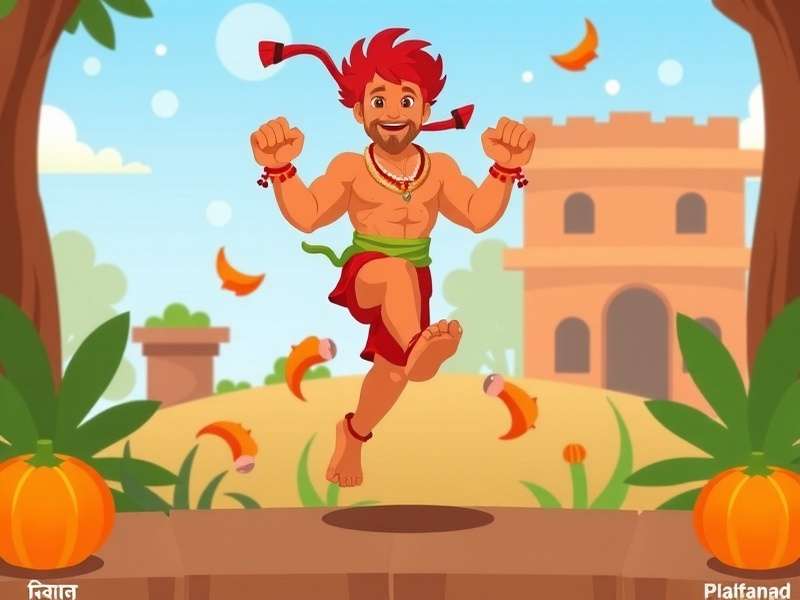
While Ginger Hotfoot has deep roots in traditional Indian culture, it’s not a game stuck in the past. In recent years, thanks to the efforts of cultural organizations and game developers, Ginger Hotfoot has been adapted for the digital age—reaching a new audience of players who may have never experienced the traditional offline version. These modern adaptations have kept the core spirit of Ginger Hotfoot intact while adding new features that appeal to today’s tech-savvy generation. Below, we’ll explore some of the most popular modern adaptations of Ginger Hotfoot.
Ginger Hotfoot Mobile App by Daman Games
The most successful modern adaptation of Ginger Hotfoot is the mobile app developed by Daman Games, one of India’s leading developers of desi mobile games. Launched in 2022, the Ginger Hotfoot app has quickly become a hit among players of all ages, with over 5 million downloads on the Google Play Store and a 4.7-star rating.
The app stays true to the traditional gameplay of Ginger Hotfoot but adds exciting new features that make it perfect for mobile play. Here’s what you can expect from the Daman Games Ginger Hotfoot app:
- Single-Player & Multiplayer Modes: Play against AI opponents in single-player mode to practice your skills, or challenge friends and family in multiplayer mode (supports up to 10 players per game). The multiplayer mode includes a chat feature, so you can communicate and strategize just like you would in the offline version.
- Vibrant Desi Graphics: The app’s graphics are colorful and authentic, with characters designed to look like traditional Indian villagers. The game environments are inspired by village fairs, panchayat grounds, and festival pandals—complete with rangoli, flower petals, and clay pots. The ginger root is depicted as a bright orange object with green leaves, making it easy to spot on the screen.
- Leaderboard System: Earn points for winning rounds, grabbing the ginger quickly, and avoiding tags. These points are added to your overall score, which is displayed on a national leaderboard. Top players on the leaderboard receive monthly rewards, such as gift cards, mobile recharge, and exclusive Daman Games merchandise.
- Tutorial Section: New to Ginger Hotfoot? The app includes a step-by-step tutorial with animations and voiceovers that explain the rules and gameplay in simple, easy-to-understand language. The tutorial is available in multiple Indian languages (Hindi, Tamil, Telugu, Bengali, Gujarati, and Punjabi), making it accessible to players across the country.
- Customization Options: Personalize your character with traditional Indian outfits (like salwar kameez, dhoti kurta, and lehenga choli) and accessories (like bangles, turbans, and bindis). You can also customize the game environment—choose between a village fair, a wedding venue, or a festival pandal.
- Daily Challenges & Rewards: Complete daily challenges (like grabbing the ginger 3 times in a row or avoiding tags for 2 minutes) to earn coins and rewards. These coins can be used to unlock new outfits, accessories, and game environments.
The Daman Games Ginger Hotfoot app has received rave reviews from users, who praise it for preserving a traditional folk game while making it fun for modern audiences. Here’s what some users have to say:
“I used to play Ginger Hotfoot with my friends at village fairs as a kid—this app brings back so many memories! The gameplay is exactly like the real thing, and the multiplayer mode is a blast to play with my family. The graphics are beautiful, and I love that I can customize my character with traditional outfits. Highly recommended for anyone who loves desi games!”
“Daman Games did a fantastic job with this app! My kids had never heard of Ginger Hotfoot before, but now they’re obsessed with it. It’s great to see them playing a game that’s rooted in our culture instead of just mindless mobile games. The tutorial is easy to follow, and the daily challenges keep them engaged. 5 stars!”
Online Tournaments & Competitions
In addition to the mobile app, Daman Games also organizes monthly online tournaments for Ginger Hotfoot. These tournaments attract thousands of players from across India and are a great way to showcase your skills and compete for cash prizes.
The tournaments are divided into three categories: Beginner (for new players), Intermediate (for players with 50+ wins), and Advanced (for players with 100+ wins). Each category has its own leaderboard, and the top 3 players in each category receive cash prizes:
- 1st Place: ₹50,00